
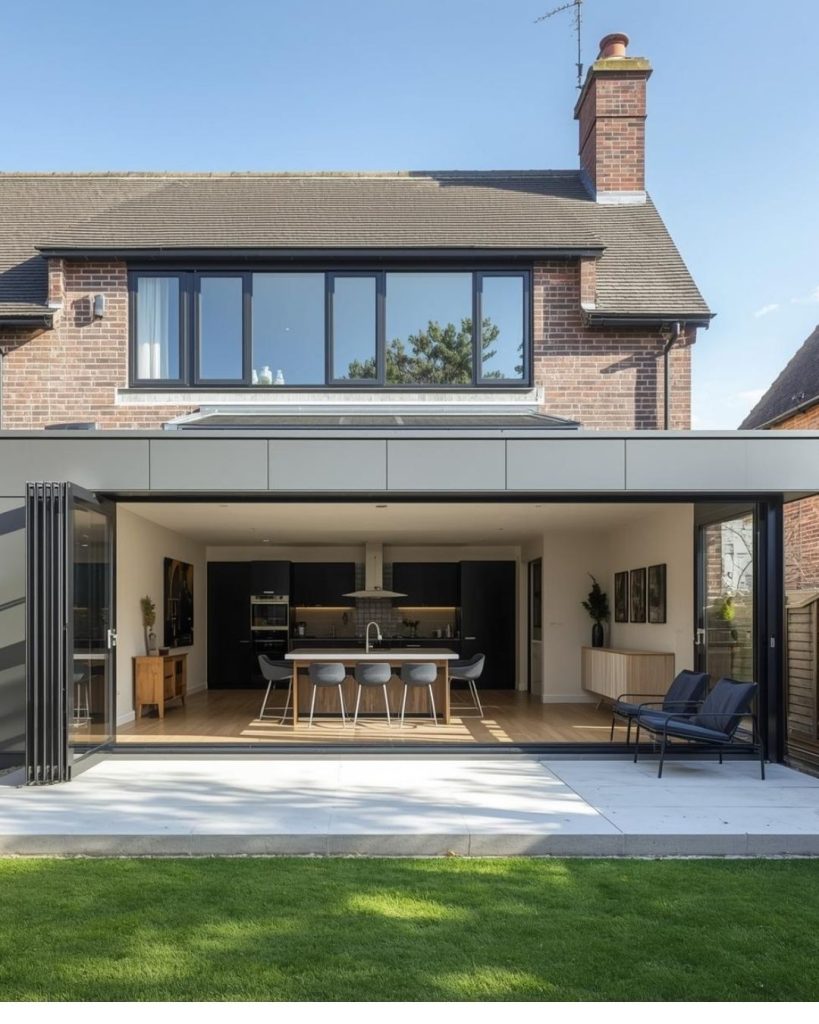
How Much Does a House Extension Cost in Southend? A Local Builder’s Guide
Building an extension is the most significant home improvement most Southend homeowners will undertake, and the first question is always the same — how much is it going to cost? The honest answer is that it depends on the type and size of the build, the specification you choose, the ground conditions on your site, and whether structural complications arise from the existing property. But understanding where the money goes and what drives the price at each stage helps you set a realistic budget before you start talking to builders.
This guide sets out realistic extension costs for different types of project across Southend, explains what affects the price, and helps you plan your investment with confidence.
Single Storey Extension Costs
A single storey rear extension is the most common project we build across Southend. It adds ground floor space — typically a larger kitchen-diner, an expanded living area, a home office, or a ground floor bedroom — without the cost and complexity of building upward.
For a modest rear extension of around three metres deep, expect to pay between £22,000 and £32,000. This covers foundations, brickwork, a flat or lean-to roof, basic bi-fold or patio doors, plastering, electrics, plumbing if needed, flooring, and decoration. The extension is finished and habitable but the specification is practical rather than premium.
For a larger single storey extension of four to six metres deep with higher-specification finishing — quality bi-fold doors, skylights, underfloor heating, a fully fitted kitchen within the new space — costs typically rise to £35,000 to £55,000. The additional depth means larger foundations, more brickwork, a bigger roof structure, and more internal finishing.
A side return extension — extending into the narrow passage alongside terraced or semi-detached properties — typically costs between £18,000 and £30,000. Side returns are particularly effective across Southend’s Victorian and Edwardian terraces through Westcliff and Southchurch, where narrow galley kitchens gain valuable width without consuming garden space.
Double Storey Extension Costs
When you need space on both floors, a double storey extension delivers the most room for your money. Building two storeys shares foundations, external walls, and roof structure across both levels, making it significantly cheaper per square metre than separate single storey projects.
A double storey rear extension of three metres deep typically costs between £35,000 and £55,000. A larger double storey of four to five metres deep with higher-specification finishing usually falls between £50,000 and £75,000. The most extensive double storey projects — combining rear and side extensions across both floors — can reach £70,000 to £100,000 or more.
The cost per square metre for a double storey extension typically works out at £1,400 to £2,000, compared to £1,800 to £2,500 for a single storey. If you need space on both floors, a double storey is almost always better value than building separately.
Wrap-Around Extension Costs
A wrap-around combines a rear and side extension into one L-shaped structure, maximising the ground floor space from a single project. Wrap-around extensions in Southend typically cost between £35,000 and £65,000 for a single storey build. The cost is higher than a simple rear extension because of the additional foundation, external walling, and more complex roof junction, but the space gained is dramatic — often doubling the usable kitchen and living area.
What Affects Extension Costs in Southend?
Several factors specific to the area influence what your extension will cost.
Ground conditions vary across the borough. Properties on clay — common across much of Southend and south Essex — may require deeper foundations than those on more stable ground. Your builder should assess the likely ground conditions during the initial visit and factor them into the quote.
Property age and construction matter. The Victorian terraces through Westcliff present different challenges to the post-war housing in Shoeburyness. Older properties often require more careful connection work where the new extension meets the existing building, and the existing structure may need strengthening to support the new opening.
Specification choices have the most direct impact on cost. Standard patio doors cost far less than large-format aluminium bi-folds. A laminate worktop costs a fraction of quartz or granite. Underfloor heating adds comfort but also cost. These are decisions you control, and being clear about your priorities helps your builder produce an accurate quote.
Party wall agreements are required when building on or near the boundary with a neighbouring property. Surveyor fees typically run £700 to £1,500 per neighbour. This is a legal requirement for most terraced and semi-detached properties across Southend and needs including in your budget.
Getting the Best Value
Get detailed, itemised quotes from two or three builders. Compare like for like — check that each quote covers the same scope and specification. Invest where it matters most: quality foundations, structural work, windows, and kitchen fitting. Economise on decoration and fixtures that are easy to upgrade later.
Build in a contingency of ten to fifteen percent for unexpected issues. Ground conditions, drainage complications, and structural discoveries are normal in building work rather than exceptional. A financial buffer means they’re absorbed calmly rather than becoming a crisis.
If you’re considering an extension at your Southend home, get in touch for a free consultation. We’ll visit, discuss your ideas, and provide a detailed quote so you can plan your project with confidence.